Government Job vs Private Job Which Is Better for Future?
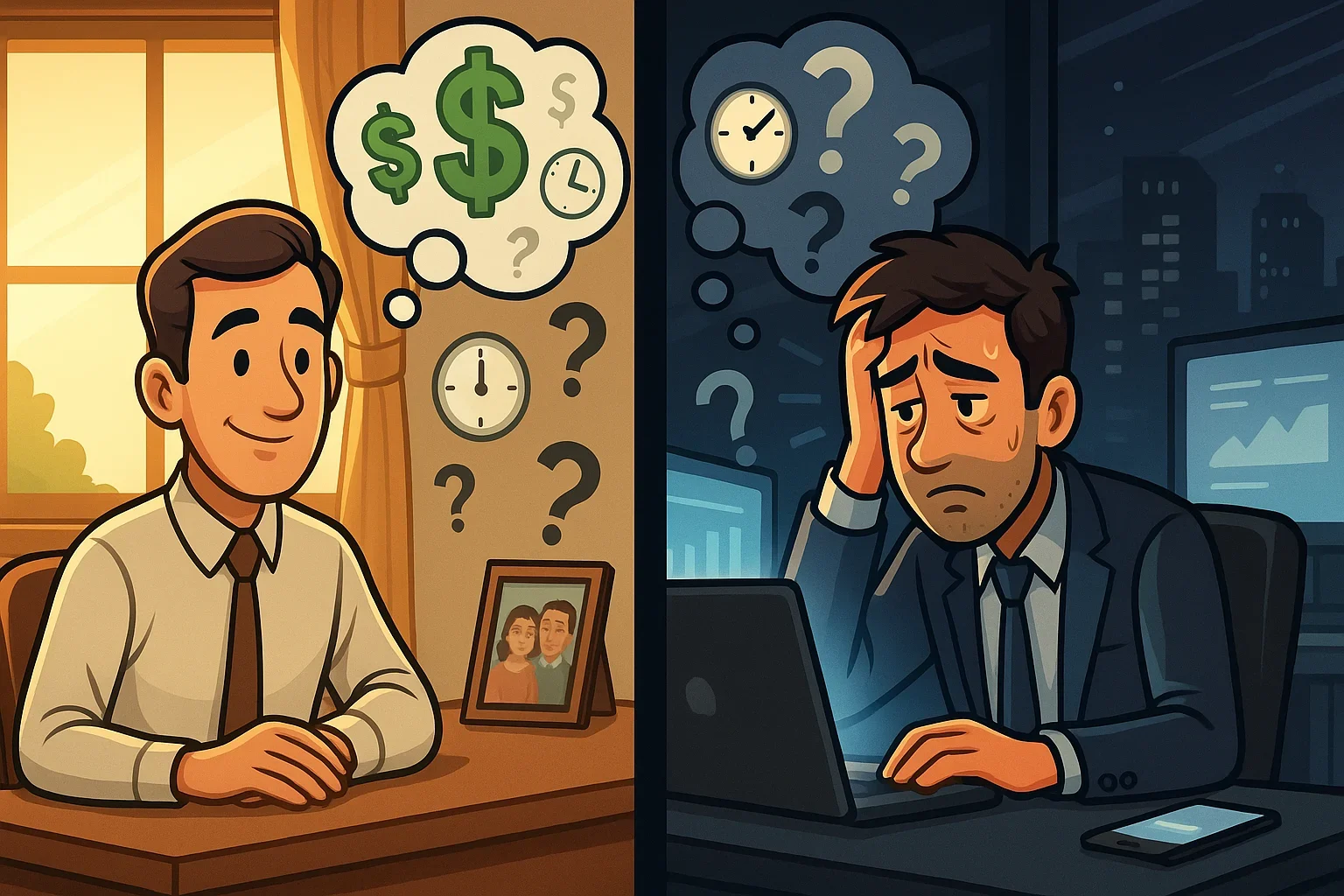
Choosing between a government job and a private job is not just about salary. It decides your lifestyle, stress level, family stability, social respect, and future security. Some people chase fast money, while others chase peace of mind. Both paths look attractive. Both carry hidden risks.

🏛️ Government Job Career: Stability, Security and Peace of Mind
A government job is built on stability and long-term security. Most people choose this path to escape the constant fear of layoffs, income loss, and uncertainty about the future. It offers a sense of emotional safety that becomes more valuable as responsibilities increase.
In a government job, you usually get:
Permanent job security, which removes the fear of sudden unemployment
Fixed working hours, allowing a predictable daily routine
Medical facilities for family, reducing healthcare burden
Paid leaves and national holidays, ensuring proper rest and family time
Pension after retirement, guaranteeing income even after 60
Easy loan approval, due to stable salary structure
High social respect, especially in Indian society
However, this safety comes with a few limitations.
Where a government job feels weak:
Promotions are slow and time-based
Performance rewards are limited, even for extra effort
Starting salary is usually lower compared to top private roles
Exposure to modern skills and technology can be limited
In simple words, government jobs offer deep peace and long-term protection, but they do not always offer speed, luxury, or rapid financial growth.
🏢 Private Job Career: Speed, Money, Pressure and Reality
Private jobs run on performance, profit, and speed. They reward those who can deliver fast results and upgrade their skills continuously. This path attracts people who want quick income growth and a high-energy lifestyle.
In a private job, you usually get:
High starting salary for in-demand skills
Fast promotions based on performance
Performance bonuses and incentives
Global exposure and corporate experience
Modern skill development that boosts market value
Luxury lifestyle at a young age for top performers
But the fear starts where stability ends.
Where private jobs feel risky:
Job insecurity during market downturns
Layoffs in recession and restructuring
Long working hours and weekend pressure
Mental stress and burnout
No guaranteed pension after retirement
In simple words, private jobs offer fast money and growth, but they do not always offer long-term mental peace or lifetime security.
💰 Salary Reality Check: Short-Term Gain vs Long-Term Safety
Most people compare only who earns more today, but real salary comparison only makes sense when you include time, career length, and retirement. This is where the difference between government and private jobs becomes very clear.
Government Job Salary Reality
A government job may start with a moderate package, but it brings steady and uninterrupted income for decades.
Salary starts moderate, not very high
Income grows slowly but never stops
Earnings continue till retirement age
Private Job Salary Reality
Private jobs can make you rich early, but income is always tied to market performance and job stability.
Salary can be very high in early years
Income grows fast with switching
Can drop suddenly after layoffs or career breaks
No salary after retirement, only savings
The Real Truth
Private job = fast money
Government job = permanent income safety
One builds your lifestyle quickly, the other protects your financial survival for life.
🧠 Stress, Fear and Mental Health: The Invisible Battle
This is the biggest difference that salary comparisons never show. Stress slowly decides your health, relationships, confidence, and peace of mind.
Government Job Stress Reality
Government jobs usually carry controlled pressure and emotional stability.
Predictable workload with limited daily uncertainty
Rare risk of termination, which removes job-loss fear
Low daily anxiety about income and survival
Better sleep, stable routine, and improved long-term health
The pressure exists, but it is usually manageable and long-term friendly.
Private Job Stress Reality
Private jobs operate under constant performance pressure.
Targets and deadlines controlling daily life
Appraisal pressure deciding increments and survival
Layoff fear during slowdown, mergers, or automation
Mental burnout due to continuous competition
Work following you home through calls, mails, and messages
The Emotional Truth
Private jobs build wealth quickly, but they slowly drain emotional energy.
Government jobs may feel slow, but they protect long-term mental peace.
🏡 Family Life and Work Balance: Time vs Package
Career success is not only measured by salary. It is also measured by how much time you actually live your life with your family. This difference becomes very clear after marriage and children.
Government Job Family Life
Government jobs generally support a stable and predictable personal life.
Fixed daily routine with limited overtime
Festival holidays and national holidays with family
More time with parents, spouse, and children
Stable upbringing for children without frequent transfers
This creates a balanced home environment and emotional security.
Private Job Family Life
Private jobs often demand sacrifice on the personal front.
Late-night work and long office hours
Weekend pressure and urgent deadlines
Frequent travel and relocation stress
Less quality time with family
Realization That Comes With Age
After 30, many people begin to understand one deep truth:
time matters more than package, and lost family moments never return.
💍 Marriage and Social Value in India: An Unspoken Reality
This is one truth many people hesitate to discuss openly, but it still plays a major role in real-life decisions. In India, career choice is not seen only as personal success, it is also linked to family trust, marriage stability, and long-term security.
Government Job and Social Trust
Government employees continue to enjoy strong social confidence.
High demand in marriage proposals
More trust from families due to stable income
Strong social image in society
Financial reliability during emergencies and long-term planning
For many families, a government job still represents safety, respect, and lifelong stability.
Private Job and Social Concerns
Private employees often face different questions.
Doubts about job safety
Uncertain long-term income future
Frequent transfers and relocations
Ground Reality
Even today, in many households, a government job is still seen as the safest foundation for a secure married life, while private jobs are respected for income but questioned for stability.
🚨 Layoffs, Recession and Career Risk: Stability vs Uncertainty
This phase exposes the real strength of your career choice. Economic slowdown, company losses, automation, and global crises clearly show which jobs are protected and which are vulnerable.
Government Sector Risk Reality
Government jobs remain largely insulated from market shocks.
Layoffs are almost zero
Income remains protected during recession
Economic crashes usually have minimal effect on salary flow
This stability becomes extremely valuable during national and global crises.
Private Sector Risk Reality
Private jobs are directly connected to business profit and market demand.
Layoffs during slowdowns and downturns
Automation and AI threats to many roles
Mergers, shutdowns, and cost-cutting impact job safety
The Mid-Life Fear Phase
Many private employees earn well in their 20s and early 30s, but experience the maximum fear in their 40s, when responsibilities are at their peak and job security matters the most.
🔁 The Hidden Tradeoff Nobody Tells You
Every career path has a cost that is not visible at the start. People only see the benefits, but over time the sacrifices become clear.
If you choose only a government job, you may sacrifice:
Fast wealth creation
Luxury lifestyle in youth
Global exposure
High-risk, high-reward opportunities
If you choose only a private job, you may sacrifice:
Long-term job security
Pension safety
Mental peace in mid-life
Guaranteed old-age income
The Core Reality
Every choice gives something and takes something. The mistake is assuming that one path gives everything without cost.
🧭 Who Should Choose What? Finding the Right Fit
There is no single career path that fits everyone. The better option depends on your personality, financial background, and emotional priorities.
Government Job Is Better If You Want:
Peace of mind
Stable family life
Secure retirement
Fixed daily routine
Private Job Is Better If You Want:
Fast career growth
High-income potential
Corporate and global exposure
Risk-driven success
The Smart Hybrid Path
Many successful people follow a balanced strategy:
They earn aggressively in private jobs during youth, then move toward stability and security later in life.
Join Our Social Channels
 Join Telegram
 Follow Instagram
 Follow Threads
🎯 Final Verdict: Lifestyle vs Lifelong Safety
There is no single best choice for everyone. Both careers are powerful in their own way, and both carry their own risks.
A private job builds your lifestyle with speed, money, and exposure
A government job protects your future with stability, security, and peace
One gives you fast wings, the other gives you a strong safety net.
Your perfect choice depends on:
Your risk-taking ability
Your family background and responsibilities
Your mental strength to handle uncertainty
Your long-term vision for life after 40 and 60
The smarter decision is not what looks attractive today, but what will still support you when your energy slows down and responsibilities peak.
❤️ Final One-Line Reality
Money creates comfort, but security creates fearless sleep.